
Reducing mosquitoes at home: a weekly water and screen checklist
A practical routine for emptying or covering standing water, keeping drains clear, repairing screens and using repellents by their labels to reduce mosquitoes at home.
By RemovePest ·
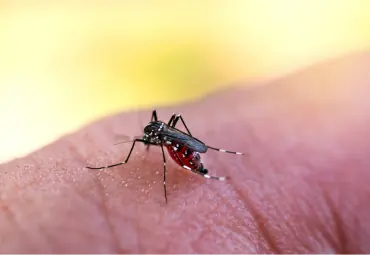
The most useful household starting point is to look for water that mosquitoes can use for breeding and gaps that let them indoors. Prevention can reduce opportunities around your home, but it cannot remove every source in the surrounding area or guarantee that bites stop.
Make a regular standing-water check
Walk through accessible indoor and outdoor areas regularly. Checking about once a week, and again after rain, is a practical routine because water can collect quickly. Look at plant saucers, buckets, unused containers, discarded packaging and other items that can collect water. Empty, clean, cover or remove them as appropriate. Do not empty contaminated water somewhere it will create another pool.
WHO's household guidance recommends covering water-storage containers, maintaining drains and gutters, and disposing of unused items that collect water. A small container should not be dismissed simply because it does not look like a pond.
Cover stored water and maintain accessible drainage
Use suitable tight-fitting covers on water storage where practical. Clean containers according to their purpose and safe maintenance requirements. Keep accessible drains clear and report persistent pooling, damaged covers or blocked shared drains to building management.
Do not climb onto roofs or enter tanks to do a quick mosquito check. As a safety precaution, never add pesticide, oil or improvised chemicals to drinking-water storage. If water cannot be emptied or properly covered, seek locally appropriate advice rather than improvising a treatment.
Keep mosquitoes from entering
Check window and door screens for holes and gaps and repair them where practical. Close unscreened openings when doing so is safe and compatible with necessary ventilation. Screens help limit entry, but cannot address mosquitoes already indoors or breeding sources elsewhere.
For bite prevention, clothing that covers exposed skin and repellents used according to their labels can help. EPA advises reading the label and following its directions, including any precautions for children. Do not apply products near eyes or mouth, and do not assume a product is suitable for everyone just because it is marketed as natural.
Coordinate problems beyond your home
Repeated activity may involve shared courtyards, drains or water-storage areas. Note where water accumulates and report accessible evidence to the person responsible for maintenance. Do not enter neighbouring property or shared infrastructure to treat it yourself.
Mosquito control is not the same as diagnosing illness. If you feel unwell after bites, seek medical advice; do not infer the cause from the number or appearance of bites.
When professional advice is useful
Seek assessment when breeding sources are inaccessible, persistent pooling cannot be resolved or activity remains substantial despite prevention. Ask what source was identified, what non-chemical measures are recommended and what precautions apply to any proposed product.
See RemovePest mosquito control in Mumbai or contact RemovePest. An inspection should guide the response; this checklist is not a promise of complete elimination.
Sources
Mosquito control in Mumbai · Contact RemovePest
All pest control articles