
Rat control at home: entry checks, food storage and safe next steps
How to record rat activity safely, check entry gaps and food sources, avoid sweeping droppings, and choose a control plan instead of improvised poison.
By RemovePest ·
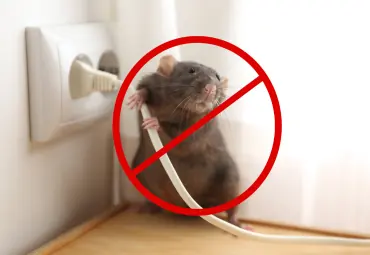
Rat control is not just about catching the animal you saw. If food and entry points remain available, activity can continue. Begin by keeping people and pets away from contaminated areas, noting the evidence and checking how rodents could be entering.
Record signs without handling them
Droppings, gnaw marks, damaged food packaging and sightings can indicate rodent activity, as University of California IPM guidance describes. Sounds alone do not identify a species. Photograph evidence from a safe distance and note where it appeared. Do not pick up droppings to compare their shape, and do not open wall cavities or electrical equipment to investigate a noise.
If you are unsure whether the animal is a rat or a mouse, keep the identification tentative. Rodent control services cover both; knowing the likely species helps plan a more appropriate response.
Check the boundary of the home
Inspect accessible gaps around doors, pipes, vents and service openings. Also check food storage, rubbish areas and clutter near the building. Report defects in shared spaces to building management rather than attempting repairs to shared drains or services yourself.
Use suitable durable materials for repairs and preserve ventilation and fire-safety requirements. If activity is inside an inaccessible cavity, consider getting professional advice before closing the suspected opening, so that sealing and control can be planned together.
Remove dependable food sources
Keep food in closed containers, promptly clean spills, secure rubbish lids and avoid leaving pet food out overnight. Store items so that accessible edges can be checked rather than hidden behind piles of clutter. These measures make the home less attractive; they do not establish that all rodents have gone.
Do not sweep or vacuum droppings
CDC advises against dry sweeping or vacuuming rodent urine, droppings and nesting material. Doing so can disturb contaminated material. Isolate the affected area and consult its cleanup guidance before starting.
For the full step-by-step method, including protective gloves and wetting contamination with disinfectant before removal, follow the CDC page directly rather than this summary. Never mix disinfectants. Heavy contamination, ventilation systems or spaces you cannot safely access require professional advice. This article is not a complete cleanup protocol.
Use a control plan, not improvised poison
Traps and rodenticides have different hazards and placement requirements; EPA restricts how some rodenticide products may be sold and used to protect children, pets and wildlife. Keep any device or product away from children and pets and follow instructions. Do not prepare homemade poison or place loose bait around kitchens or shared areas. Ask a professional how risks to people, pets and other animals will be managed.
Arrange an inspection if fresh evidence continues, activity involves several areas, or you cannot locate the entry route. See RemovePest rat control in Mumbai and contact RemovePest. Request an inspection-based plan rather than a promised result from a single product.
Sources
Rat control in Mumbai · Contact RemovePest
All pest control articles