
Rat vs mouse: what household signs can tell you
Size, ears, droppings and gnaw marks can hint at a rat or a mouse, but none settles it alone. Learn what to record safely and why prevention overlaps.
By RemovePest ·
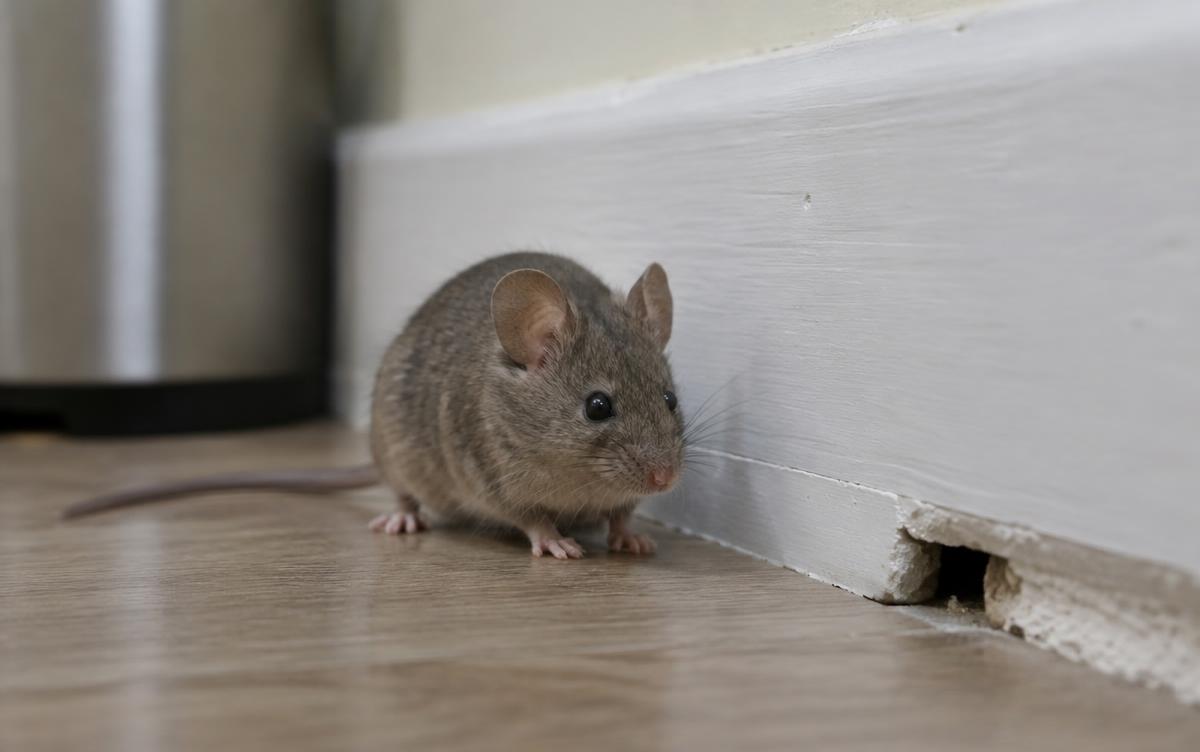
Rats and mice are different rodents, but a brief sighting is not always enough to distinguish them. A young rat may look similar to a mouse, and both can leave evidence without being seen. Identification helps choose the next step; it should not depend on touching an animal or its droppings.
Compare clues, not one feature
| Clue | What it may suggest | Why it is not conclusive |
|---|---|---|
| Body size | An adult rat is generally larger than an adult house mouse. | Age, distance and a partial view can mislead. |
| Ears | House mice have relatively large ears for their small bodies. | Appearance varies, and a rushed sighting hides proportions. |
| Droppings | Droppings can help an inspector assess rodent activity. | Photographs need context and scale; shape alone is not a dependable household diagnosis. |
| Gnaw marks | Damaged packaging or fresh gnawing can indicate activity. | They do not reliably establish species on their own. |
University of California IPM guidance describes house mice as small rodents with relatively large ears, and its rat guidance describes considerably larger adult rats. Use these as clues, not a species test. The limits in the table are practical cautions, not formal identification rules. Avoid exact size rules based on a single photograph.
Gather useful evidence safely
Write down where and when you saw the animal, what food or packaging was affected, and whether evidence reappears. If safe, photograph the area from a distance. Do not handle droppings or put a household object beside them for scale. Do not approach a live rodent, corner it or ask a child to help identify it.
A clear photograph of an animal or its activity can help a professional, but it may still not settle the identification. Tracking repeated activity and inspecting accessible entry points are often more useful than arguing over one uncertain sighting.
Prevention priorities are similar
Both rats and mice benefit from available food and shelter. Secure food and rubbish, clean spills, reduce clutter and check accessible gaps around the home. Small openings should not be ignored simply because you suspect a large animal: University of California IPM guidance notes that mice can enter through openings as small as 1/4 inch (about 6 mm).
Do not block ventilation or alter electrical installations during gap repairs. Shared-building problems may need coordinated inspection and maintenance.
Do not let uncertainty delay safe cleanup
Treat rodent contamination cautiously regardless of whether you think it came from a rat or a mouse. CDC advises against sweeping or vacuuming droppings before appropriate wet cleanup. Follow its current cleanup guidance, including disinfectant label precautions, and seek help for heavy contamination or inaccessible areas.
Which service page is relevant?
For confirmed rat activity, rat control in Mumbai is the more specific service. If identification is uncertain or the concern includes mice, rodent control in Mumbai is broader. These are existing services, not a claim that you can identify a species from this article alone. Contact RemovePest for an inspection-based assessment.
Sources
Rodent control in Mumbai · Contact RemovePest
All pest control articles